

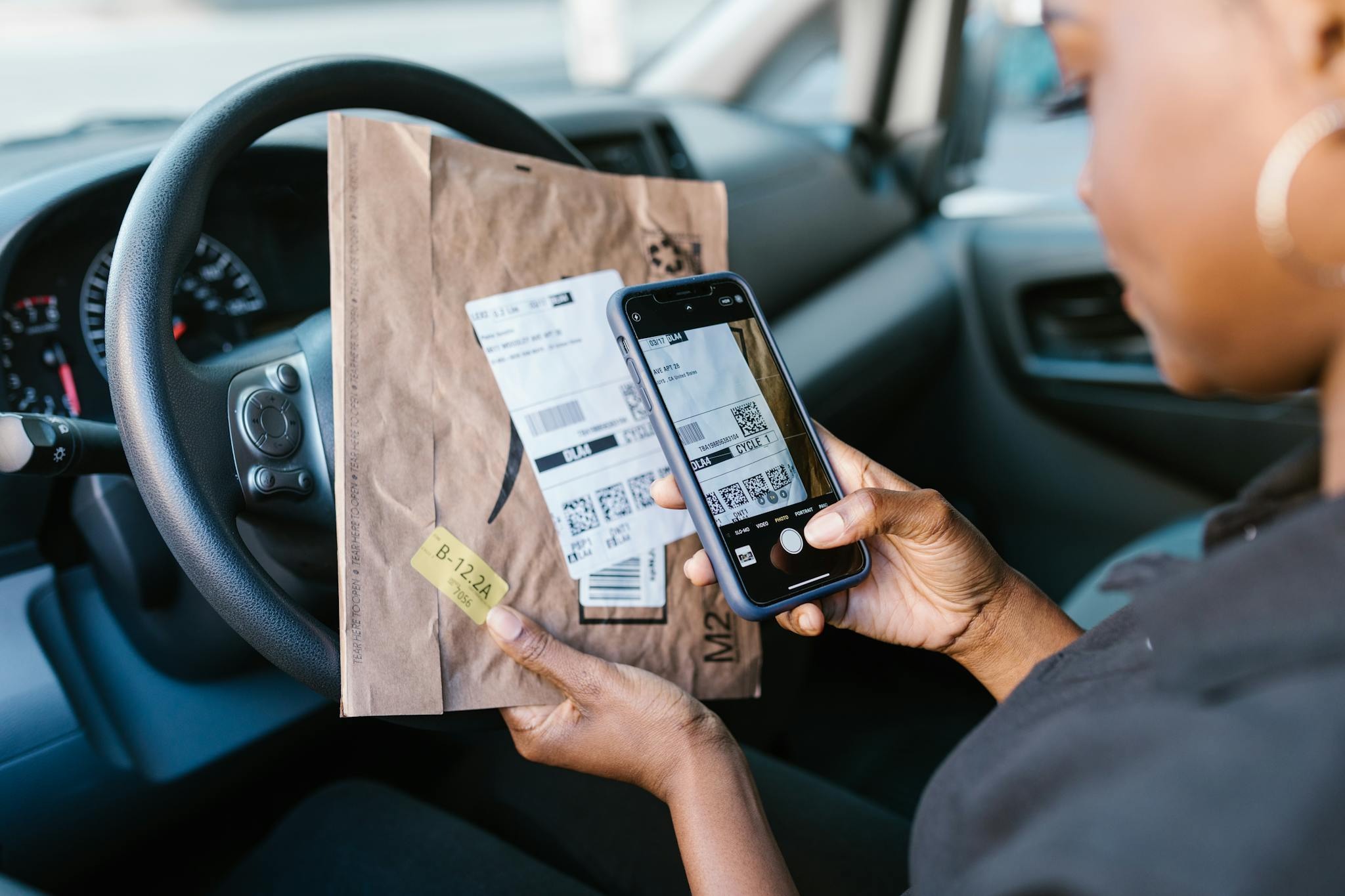
Courier tracking becomes useful whenever you are waiting for a parcel and want to know what is happening before it reaches your doorstep. tirupaticouriertracking.com provides practical information for readers who want to understand shipment updates, tracking references, delivery stages, delays, and common home delivery situations. A courier status can sometimes contain only a few words, yet those words may describe an important stage in the parcel’s journey. Knowing what they mean helps customers make better decisions instead of guessing what happened.
Begin With Accurate Tracking Details
The tracking number is normally the easiest way to identify a shipment inside a courier system. Customers may receive this number through an online order page, dispatch confirmation, receipt, email, or text message. Some references are made entirely from digits, while others combine letters and numbers. Customers should keep the original reference available until the package has been delivered successfully.
Accuracy matters when entering the number into a tracking page because one wrong character can prevent the shipment from appearing. Customers should also check whether they are using the correct courier’s tracking system. A seller might use different delivery companies for different orders, so a valid tracking number can still show no information when entered on an unrelated courier website.
Check The Dispatch Information
A seller may send a dispatch notification before the parcel actually begins travelling through the courier network. This happens because shipping information can sometimes be created before physical collection. Customers may therefore receive a tracking number while the tracking page contains little or no movement information.
The first courier scan is generally more useful for confirming that the parcel has entered the delivery network. If the shipment was only recently marked as dispatched, customers can allow some time for the first update. When no useful information appears for an unusually long period, asking the seller to confirm physical handover can help clarify the situation.
Read Every Tracking Update
Tracking histories are easier to understand when customers look at more than just the latest sentence. Earlier updates can show where the shipment started, which facilities handled it, and whether it has been moving regularly. This background becomes particularly useful when a package appears to remain at one location.
Dates and times should also be considered carefully because courier systems record events at different stages. A shipment may have physically moved after its last visible scan without the customer seeing another update immediately. Tracking is therefore best understood as a record of selected events rather than a continuous video of the parcel’s journey.
Understanding Shipment Processing
Processing usually means that the package is being handled at a courier facility. Workers may sort the parcel, organize it according to destination, prepare transportation, or complete other operational tasks. Processing can occur more than once when a shipment travels through several facilities.
Customers should not automatically consider a processing status negative. The location and duration matter more than the word itself. A recent processing update is generally ordinary, while a package remaining at the same facility far beyond its expected delivery period may deserve additional attention.
Understanding In Transit Status
An in-transit status generally indicates that the shipment is progressing through the courier network. The package might be travelling between facilities or moving toward a regional destination center. The exact physical location may not always be available because customer-facing tracking systems typically show selected scan events.
Long-distance shipments can naturally spend more time in transit than nearby deliveries. Route distance, transportation schedules, shipment volume, and facility operations can all influence the timing. Customers should therefore compare the status with the expected delivery period rather than assuming that every long transit stage indicates trouble.
Why Tracking Can Stay Unchanged
Tracking information may remain unchanged for several hours or sometimes longer because another visible scan has not yet been recorded. A package can still be travelling while the customer sees the previous facility listed on the page. This is particularly possible between major transportation points.
Technical delays can also affect when information becomes visible. Internal courier systems may record information before the customer-facing page displays it. Customers should therefore avoid assuming that an unchanged status means the parcel has been completely stationary throughout that period.
When A Package Reaches Destination
A destination facility update normally suggests that the shipment has moved closer to the recipient. This is an important stage because the package has reached a location serving the destination area. However, local sorting and route preparation may still happen before the final delivery begins.
Customers should avoid expecting an immediate doorstep arrival simply because the parcel has reached a nearby facility. The shipment may need to wait for a suitable delivery route. The next useful update is often one indicating that the parcel has entered final delivery operations.
Understanding Out For Delivery
Out-for-delivery generally means that the parcel has moved into the final delivery stage. It may have been assigned to a delivery person or route serving the recipient’s area. This status is particularly useful for customers who need to arrange someone at home to receive the shipment.
Still, out-for-delivery does not normally provide an exact arrival time. Delivery agents can have numerous stops, and the order of those stops can change throughout the day. Traffic, access issues, customer availability, and route conditions can all affect when a particular address is reached.
Preparing Before Arrival
Customers can reduce unnecessary delivery problems by checking their availability when the package approaches final delivery. This is especially important when the shipment requires direct receipt, a signature, identity verification, or another specific handover process. Customers should review the seller’s instructions when such requirements apply.
If the delivery location has security restrictions, narrow access, or a difficult entrance, useful information should be communicated through the appropriate channel. Delivery staff may not always have enough time to resolve complicated access issues during a busy route. A little preparation can therefore make the final handover easier.
Handling Failed Delivery Attempts
A failed delivery attempt does not necessarily mean that the package has been lost. The recipient may have been unavailable, the address may have been difficult to locate, or access to the property may have prevented successful delivery. The tracking page may include a short explanation describing what happened.
Customers should check what happens next according to the courier’s procedures. Another attempt might be scheduled, or the parcel might be held temporarily at a facility. If customer action is requested, it should ideally be completed promptly to prevent additional delays or possible return processing.
Checking Your Address Carefully
Correct address information is essential during the final delivery stage. Customers should verify the house number, street, locality, postal code, apartment number, and contact information whenever possible. A missing apartment detail can be just as troublesome as an incorrect postal code in some delivery situations.
If an address problem appears in the tracking history, customers should contact the sender or authorized courier support channel. Address changes may not always be possible after the parcel has entered a particular stage. The sender may also need to authorize changes, so waiting too long can reduce the available options.
Handling Delayed Parcels
A package should generally be considered delayed in relation to its expected delivery timeframe rather than simply because tracking has not changed recently. Some normal transportation stages involve longer gaps between visible updates. Customers should look at the last scan date, destination, and promised delivery period before deciding that the parcel needs investigation.
When the expected date has passed significantly, contacting the appropriate support team becomes more reasonable. Customers should provide the tracking number, latest status, order information, and expected delivery date. Clear details allow support staff to understand the issue without requiring several additional messages.
Managing Several Active Shipments
People who order multiple items online may have several tracking references active at the same time. Keeping them organized can prevent one shipment from being confused with another. Customers can record the item name, tracking number, courier, and expected delivery date in a simple note.
Separate tracking numbers may also exist for one online order. Sellers sometimes split orders because products are stored in different warehouses or become available at different times. One package arriving earlier does not necessarily mean that another shipment has encountered a problem.
Tracking Important Documents
Documents often require closer attention because they can be connected with deadlines. Applications, certificates, business papers, educational documents, and other important records may need to reach the recipient within a specific period. Customers should monitor these shipments and take significant delays seriously.
Keeping a digital copy of important paperwork can also be helpful. If the original shipment encounters a serious problem, the sender may need to arrange another delivery or provide replacement documentation. The exact solution depends on the organization and document involved, but keeping records gives customers more options.
Tracking Valuable Household Items
Expensive household products require some additional attention after delivery. Customers should check the outer package and confirm that the shipment belongs to the correct order. For fragile items, visible damage should be documented before packaging is thrown away.
Customers should also keep invoices, order confirmations, and delivery information for important purchases. These records can be useful when requesting a replacement, return, repair, or refund. The courier tracking page may show where the package travelled, while the seller normally handles product-related complaints.
Preparing For Large Packages
Large packages can require more planning because they may need additional space during delivery. Furniture, appliances, and other oversized household products might not fit easily through narrow doors or restricted entrances. Customers should review any delivery instructions before the expected arrival.
Apartment buildings may have security gates, limited parking, elevator restrictions, or other access rules. If the delivery team needs specific information, customers should provide it through an approved communication method. This can reduce delays caused by unexpected access difficulties during the final handover.
Keeping Tracking Information Private
Tracking information should not be shared publicly without a good reason. Screenshots may contain names, addresses, phone numbers, tracking references, or order details. Customers can hide unnecessary personal information before sharing an image with customer support or another person.
There is also little reason to give shipment details to unknown individuals who contact you unexpectedly. Legitimate support may ask for a tracking number, but customers should still verify who they are communicating with. Protecting delivery information is a small habit that can reduce unnecessary privacy risks.
Avoiding Suspicious Delivery Links
Courier-related scams often take advantage of people’s expectation of receiving packages. A message may claim that a small fee must be paid before delivery or that an address needs urgent confirmation. Customers should verify these claims independently rather than trusting the message immediately.
The safest approach is to access the seller or courier through a known source rather than clicking an unfamiliar link. Customers should never provide passwords, card details, banking credentials, or one-time verification codes through suspicious delivery messages. A legitimate shipment does not automatically make every message connected with it genuine.
When Tracking Gives No Result
A tracking number may produce no information when it has only recently been created. The courier may not have completed the first scan, or the seller may have prepared the shipment record before physical collection. Customers should check the dispatch date before treating this as a serious problem.
If the tracking reference still produces no useful information after a reasonable period, contacting the seller can clarify whether the package was actually handed over. The seller can also confirm that the tracking number is correct and belongs to the intended courier. This can prevent unnecessary confusion.
Using Mobile Tracking Carefully
Mobile phones make tracking convenient because customers can check shipment progress without sitting at a computer. However, convenience should not lead to careless clicking. Customers should use trusted tracking sources and avoid unfamiliar websites linked through random messages.
A normal tracking page generally should not require highly sensitive financial information simply to show shipment movement. If a page suddenly requests unusual details, customers should stop and independently verify the service. Protecting account and payment information is more important than immediately checking one parcel update.
Keeping Useful Delivery Records
Customers should keep shipping information until the parcel has arrived and been checked properly. The original order confirmation may contain information that becomes useful later if the package is delayed, damaged, or incorrectly delivered. For expensive purchases, retaining invoices and seller information for longer can also help with returns or warranty questions.
There is no need to keep every old tracking detail permanently. Once a shipment has been completed and no further issue is expected, unnecessary information can be removed. The goal is simply to keep useful records accessible during the period when they may actually matter.
Final Tips For Easier Tracking
Courier tracking is most useful when customers understand its limits as well as its benefits. Tracking pages normally show recorded shipment events rather than continuous live movement, so short gaps between updates can happen during ordinary transportation. A shipment should be judged using its complete history, latest status, destination, and expected delivery timeframe together.
For smoother home deliveries, customers should keep tracking references organized, verify address information, prepare for final delivery, monitor important shipments, and contact the correct support channel when a genuine problem appears. They should also protect personal information and remain cautious about suspicious courier messages. For more practical guidance about courier tracking, shipment statuses, delivery updates, and everyday home delivery questions, visit tirupaticouriertracking.com and explore the available resources for your tracking needs.
Read also :-