

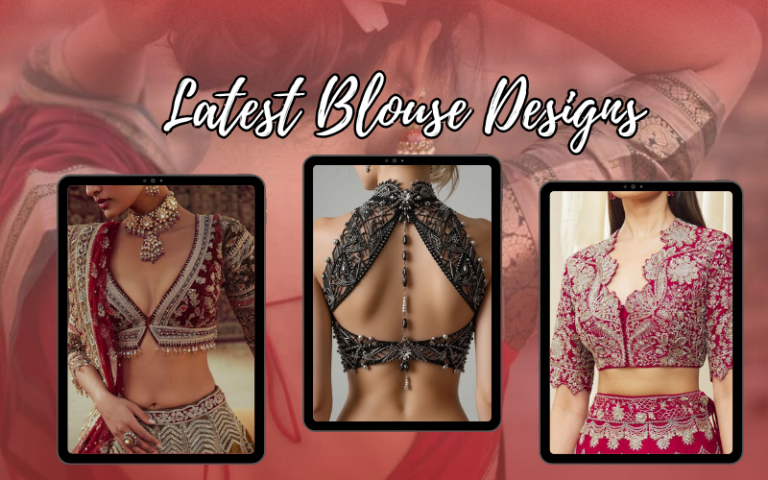
Clothes design can change ordinary garments without making them unnecessarily complicated. bestsimpledesign.com can help readers explore clothes design, garment details, fabric ideas, colors, silhouettes, tailoring choices, and practical fashion inspiration. A well-designed garment usually does more than simply look attractive on a clothing rack. It needs to work when someone walks, sits, reaches, travels, washes it, and wears it repeatedly. That practical side often gets ignored when people focus only on appearance. A small design detail can make a large difference in everyday use. Better pockets can improve convenience, while a different sleeve shape can change movement and visual balance. Fabric can influence comfort, durability, shape, and seasonal suitability at the same time. Color creates another layer because even a familiar silhouette can feel completely different in another shade. Modern clothes design also gives people more ways to express personal taste without depending entirely on temporary trends. Simple garments can remain useful for years when their shapes and details are thoughtfully considered. Good design is therefore not about adding something to every empty space. Sometimes removing unnecessary details creates the stronger garment. Practical clothing can still feel interesting, distinctive, and personal when each part has a sensible purpose.
Build Around Real Movement
Clothing should be designed around movement because people rarely remain still throughout an entire day. Shirts need enough room for reaching and stretching without pulling uncomfortably around the shoulders. Trousers should allow sitting, walking, climbing stairs, and regular movement without creating unnecessary restriction. Dresses and skirts need suitable proportions so normal steps do not become awkward. Jackets require additional attention because layered clothing can limit arm movement when the structure is too narrow. Designers can use fabric flexibility, careful seam placement, and appropriate garment width to improve comfort. Loose clothing can provide freedom, but excessive volume may create unnecessary weight and awkward movement. Fitted garments can look polished while still allowing useful space around areas that move frequently. The best shape depends on the garment’s purpose rather than one universal fashion rule. Designers should also test clothing while performing ordinary actions instead of evaluating it only while standing. Sitting down can reveal tight waistbands, short hems, or uncomfortable closures immediately. Raising the arms can expose sleeve problems that were not obvious during a fitting. Movement testing helps designers create garments that work outside photographs and showroom displays. This practical approach also helps wearers understand whether a garment suits their daily routine before purchasing it.
Choose Fabrics With Purpose
Fabric selection can determine whether a clothing design remains useful after the initial excitement disappears. Cotton can provide familiar comfort, while linen blends often suit warmer conditions through lighter construction. Denim can provide structure and durability, whereas softer fabrics may create easier movement and a more relaxed appearance. Wool and heavier woven materials can support warmth and shape during cooler seasons. Stretch fabrics can improve comfort when garments need greater flexibility through daily activities. The fabric should match the intended purpose instead of being selected simply because it looks attractive. Designers need to consider washing, drying, wrinkling, color retention, friction, and repeated use. A fabric that looks excellent when new may change significantly after several cleaning cycles. Certain materials may shrink, lose structure, develop surface changes, or become easier to wrinkle. These possibilities should influence design decisions before production begins. Fabric weight also matters because a heavy garment can become uncomfortable when worn for several hours. Breathability can be especially important during warmer weather or crowded environments. Texture adds another visual quality without requiring complicated patterns or strong colors. Smooth fabric can make structured garments look cleaner, while textured materials can create more relaxed character. Good clothing design treats fabric as part of the structure rather than a surface applied afterward.
Create Useful Color Systems
Color gives designers one of the easiest ways to change a garment’s personality. Neutral shades create flexible clothing because black, white, cream, navy, grey, and brown can combine with many other colors. Rich colors can provide stronger visual identity without requiring dramatic patterns or excessive decoration. Softer tones may create calmer garments that work across several everyday situations. Designers should consider how colors appear under natural light and artificial lighting because the difference can be surprisingly noticeable. A shade that feels muted outdoors may look much stronger beneath warm indoor lights. Color can also be placed strategically through collars, cuffs, seams, pockets, panels, or buttons. This allows a garment to remain mostly simple while still containing interesting visual details. Contrasting colors can draw attention toward specific areas, while similar tones can create a quieter appearance. Designers should think about how one garment will interact with other clothing in a normal wardrobe. A beautiful color that matches almost nothing may receive less regular use than a slightly less dramatic shade. Personal taste still matters because clothing should reflect individual preferences rather than only market expectations. Color systems become particularly useful for wardrobes because several garments can coordinate without appearing identical. A thoughtful palette can therefore make clothing easier to combine while keeping each piece visually distinct.
Improve Everyday Necklines
Neckline design can completely change the appearance of shirts, dresses, tops, and jackets even when the rest of the garment stays simple. Crew necks often create a clean and familiar appearance, while V-shaped and square necklines produce different visual effects. Boat necks can create a wider horizontal impression, while high necklines provide greater coverage and stronger structure. Open necklines may feel lighter, particularly when used with softer fabrics. Designers should consider how the neckline interacts with jewelry, collars, scarves, jackets, and other layers. A detailed neckline may already provide enough visual interest without additional accessories. A simple neckline can create more space for necklaces or scarves. Comfort also matters because clothing around the neck can become irritating when edges are poorly finished. Binding, stitching, and fabric selection should therefore support both appearance and long-term wear. Neckline depth should remain appropriate for the garment’s purpose and expected movement. A shirt designed for work may need different construction from a relaxed weekend top. Designers can also use contrasting fabric or subtle trim around the neckline to create personality without making the garment busy. The neckline should feel connected with the rest of the silhouette rather than appearing like a separate design decision. Small changes around the neck can make an otherwise familiar garment feel surprisingly different.
Give Sleeves Better Function
Sleeves can influence movement, silhouette, temperature, and visual personality all at once. Short sleeves can create a lighter appearance, while long sleeves provide more coverage and layering opportunities. Fitted sleeves often produce a cleaner silhouette, whereas wider sleeves can create more relaxed volume. Gathered, cuffed, rolled, dropped-shoulder, and bell-shaped sleeves each create different impressions. The sleeve should still support the garment’s intended purpose rather than becoming decoration without practical value. Someone wearing a work shirt needs enough movement around the elbows and shoulders for ordinary tasks. Casual clothing can allow greater width when comfort remains the main priority. Designers should also consider sleeve openings because cuffs and hems influence both appearance and ease of use. Adjustable cuffs can provide flexibility when people need to change sleeve length during different activities. Fabric behavior matters here as well because soft materials may drape naturally while structured fabrics hold a stronger outline. Sleeve length should also work with the weather because long heavy sleeves can become uncomfortable during warmer periods. Decorative sleeves need sensible construction because complicated shapes can make washing and storage more difficult. A strong sleeve design balances visual character with movement and useful function. Sometimes changing the sleeve width slightly creates enough freshness without redesigning the complete garment.
Design Pockets For Use
Pockets can provide one of the clearest examples of practical clothing design doing useful work. Their location, size, shape, opening, and construction all affect how a garment feels and looks. Trousers often benefit from pockets that remain easy to access while sitting or standing. Jackets can use larger compartments for practical storage without losing their overall structure. Shirts usually need smaller pocket designs that do not pull heavily on lightweight fabric. Designers should think about what people are actually likely to carry rather than creating pockets only for visual decoration. Pocket placement can also influence the perceived proportions of a garment. A pocket placed too low or too wide can change the visual balance unexpectedly. Different construction methods create different styles. Patch pockets can appear more casual, while welt pockets can provide a cleaner and more refined appearance. Zippers and closures can improve security where the garment’s purpose requires additional protection. Strong stitching becomes essential because pockets receive repeated stress during ordinary use. Soft fabric may require reinforcement when users regularly carry heavier objects. Hidden pockets can provide storage while keeping the outer appearance simple. Designers should also think about whether pockets remain accessible when another layer is worn over them. Useful pocket design is often noticed most after someone has owned the garment for several weeks. That quiet practicality can become one of the reasons a garment remains a favorite.
Shape Trousers More Carefully
Trousers offer many opportunities for clothes design because small changes can affect comfort and visual proportion significantly. Straight-leg trousers provide a familiar shape, while wide-leg designs create greater volume and movement. Tapered trousers create a narrower lower silhouette, while relaxed cuts can feel more casual and flexible. Waist height also changes how the garment sits on the body and interacts with tops. Designers should consider sitting comfort because waistbands that feel fine while standing can become restrictive later. Pleats can create additional movement and structure, although their placement should support the garment’s overall proportions. Hem length matters too because trousers need to work with the footwear they are designed to accompany. Longer hems may suit certain shoes, while shorter hems can create a cleaner appearance with other styles. Pocket position should also remain practical without creating unnecessary bulk around the hips or thighs. Fabric weight influences how wide trousers fall and how much movement the garment creates while walking. Lighter materials can produce softer movement, while heavier materials can hold a more defined structure. Designers should also consider repeated washing because trousers are often worn frequently and receive considerable friction. Durable construction becomes especially important around seams, waistbands, closures, and pocket areas. Well-designed trousers balance movement, fit, durability, appearance, and easy coordination with other clothes.
Make Shirts More Versatile
Shirts remain useful clothing because their design can shift easily between casual and more polished settings. Collar shape provides one obvious area for experimentation because pointed, spread, band, rounded, and oversized collars create different impressions. Shirt length also matters because shorter designs can emphasize the waist, while longer versions can support layering. Relaxed shirts may work as outer layers when the fabric remains suitable for that purpose. Oversized proportions can create modern volume, though the garment still needs enough structure to avoid looking unintentionally oversized. Button placement can become another design feature without requiring complicated decoration. Contrasting buttons can provide small visual accents, while hidden closures can create a cleaner appearance. Sleeve cuffs can also introduce subtle variation through shape, color, or texture. Designers should think about how shirts behave after washing because frequent-use garments need practical maintenance. Materials that require constant ironing may become less useful for people with busy routines. A versatile shirt can work across several outfits when its color, shape, and details remain easy to combine. This makes simple shirt design particularly valuable for wardrobes built around repeated use. Designers can also create removable or adjustable elements when appropriate, allowing one garment to serve several styling purposes. A good shirt does not need many unusual features. It needs a shape and construction that remain useful across different situations.
Use Patterns Without Overloading
Patterns can give clothing strong personality, but they need enough surrounding simplicity to remain visually manageable. Stripes create one type of rhythm, checks create another, while florals and abstract shapes can introduce completely different moods. Pattern scale matters because large designs attract attention more strongly than smaller repeated motifs. Designers should also think about how patterns travel across seams, pockets, sleeves, and curved sections of the garment. Poorly aligned patterns can make a carefully designed garment appear less polished. Strategic placement can instead draw attention toward useful areas or create stronger visual balance. Designers do not need to cover an entire garment with pattern to make it interesting. A patterned collar, cuff, pocket lining, side panel, or inner layer can provide enough detail. Strong patterns usually benefit from simpler supporting clothing so the outfit does not become visually crowded. The opposite can happen when the main garment remains plain and another patterned piece provides the focal point. Color relationships within the pattern should also work with the garment’s base color. Designers can test pattern choices through actual styling combinations rather than examining the fabric alone. This helps reveal whether the finished clothing can work with other items already present in a typical wardrobe. Good pattern design creates interest without making the wearer feel trapped into one particular styling combination. That flexibility increases the practical value of patterned clothing.
Add Smart Adjustable Features
Adjustability can make clothing more useful because people do not always need exactly the same fit throughout an entire day or season. Drawstrings, adjustable tabs, elastic sections, removable belts, cuff buttons, and flexible closures can provide useful changes without redesigning the garment. These features can be especially practical when clothing needs to support different levels of movement. Adjustable sleeves allow people to change length depending on activity or temperature. Waist adjustments can provide additional comfort during longer periods of sitting or movement. Removable elements can also change the visual character of a garment when a simpler look is preferred. Designers should still avoid adding adjustment mechanisms that become complicated to operate. A useful feature should make clothing easier rather than creating another task for the wearer. Closures should remain secure while still being easy enough to use. Adjustable details also need strong construction because they often receive repeated handling. Designers can test these features through realistic use instead of evaluating them only in the studio. Clothing should remain attractive at every available adjustment point because the garment may be worn differently on different occasions. This kind of flexibility can extend the usefulness of a garment across changing weather, activities, and personal preferences. A thoughtfully adjustable design can therefore remain practical longer than a rigid garment with only one possible fit.
Think About Easy Maintenance
Maintenance affects whether people continue wearing clothing after purchasing it. Garments that require complicated care may remain inside wardrobes even when their design looks excellent. Designers should consider washing, drying, ironing, folding, storage, and small repairs during the planning stage. Everyday garments usually benefit from materials that can handle regular cleaning without dramatic changes in shape or color. Decorative details should also remain secure during repeated washing and handling. Loose stitching, weak buttons, or poorly attached trims can quickly reduce the useful life of a garment. Simple construction can sometimes make repairs easier because damaged areas remain accessible. Care labels should provide instructions that people can realistically follow rather than creating unnecessary complexity. Designers should also think about drying because some garments may lose shape when exposed to unsuitable temperatures or methods. Wrinkle resistance can become valuable for clothing that people travel with frequently. Storage requirements also matter because certain garments need hanging space while others can remain folded without damage. Easy-care design does not mean making every garment plain or basic. It means ensuring that attractive details do not create unnecessary ownership problems. People are more likely to wear clothing regularly when caring for it fits naturally into their routine. Good design therefore continues long after the garment is purchased.
Build Long-Lasting Garments
Durability can make clothing design more useful because garments that survive repeated wear often provide better long-term value. Strong seams, reliable closures, suitable fabric weights, and practical construction can reduce common forms of early damage. Designers should also think about which areas receive the most stress during normal use. Pockets, knees, elbows, waistbands, shoulders, and closures may require additional reinforcement depending on the garment. A durable garment does not need to feel heavy or rigid because construction techniques can provide strength without unnecessary bulk. Longevity also depends on whether the design remains wearable as fashion preferences change. Extremely trend-focused shapes may feel outdated quickly, while balanced silhouettes and useful colors can remain easier to wear. This does not mean avoiding creativity. Unique details can still exist when they do not overwhelm the entire garment’s purpose. Repairability adds another layer of durability because replacing a button or fixing a seam can keep an otherwise useful item in circulation. Designers can also consider replaceable components when appropriate. Clothing intended for frequent use deserves stronger construction than garments worn only occasionally. People should understand that durability is part of design quality rather than a separate concern added later. A garment that remains comfortable and attractive after many uses can become far more valuable than something impressive that wears out quickly. Good design should therefore consider the entire life of the clothing.
Plan Designs For Seasons
Seasonal clothes design involves more than changing colors because temperature and weather affect fabric, layering, length, and construction. Warmer conditions usually benefit from lighter materials and greater breathability, while cooler periods allow heavier fabrics and more substantial outer layers. Designers can create garments that change function through layering, making one piece useful across several weather conditions. A lightweight shirt can work alone during warmer periods and beneath a jacket when temperatures fall. Dresses can gain additional flexibility when their shape allows coats, cardigans, or other layers to sit comfortably over them. Color can support seasonal changes, although personal preference should remain more important than strict fashion expectations. Designers should also think about weather conditions such as rain, humidity, wind, and strong sunlight. Suitable fabrics can make outdoor clothing more comfortable while protecting the garment itself from unnecessary damage. Seasonal garments should also store reasonably well when they are not being worn. Materials that crease badly or lose shape during storage can create additional maintenance problems. Flexible seasonal design helps people reuse favorite garments instead of replacing their wardrobe every few months. It also allows designers to create clothing that feels connected with changing conditions without depending entirely on short-term trends. The best seasonal designs remain useful beyond one specific calendar period.
Create Personal Design Details
Clothing becomes more personal when small details reflect the wearer’s preferences instead of following every popular design trend. Personalization can come through unusual buttons, contrast stitching, distinctive collars, subtle embroidery, different pocket shapes, or carefully selected color combinations. These details do not need to cover the garment because small accents can often create stronger identity. Designers can also consider removable details when people want to change the appearance without buying another garment. Belts, detachable collars, adjustable cuffs, and reversible elements can provide useful variation when constructed properly. Personal design should still remain practical because the garment needs to function beyond visual expression. A decorative element that constantly catches on bags or other clothing may become frustrating after repeated wear. Details should therefore be tested through normal movement and daily use. The best personal touches feel natural instead of appearing randomly added. Designers can also create subtle differences between otherwise similar garments through stitching, lining, buttons, or trim. This allows people to build a wardrobe that feels coordinated without becoming repetitive. Personal details are especially useful for simple clothing because they can provide individuality without relying on complicated patterns. Good design gives the wearer room to express preferences while keeping the garment easy to combine with other clothes. A garment should feel like something people want to wear, not merely something they want to display.
Connect Design With Lifestyle
Lifestyle should influence clothing design because garments are used differently depending on work, travel, family routines, social activities, and personal habits. Someone who spends most of the day moving may need different clothing features from someone who mainly works indoors. Travelers often value easy care, comfortable materials, useful pockets, and pieces that can combine across several outfits. People with active schedules may prefer flexible silhouettes that allow movement without constant adjustment. Office clothing may need stronger structure and easy coordination, while home-focused garments may prioritize softness and unrestricted movement. Designers should also consider how often a garment is likely to be worn because frequent-use clothing deserves practical construction. A design that looks beautiful but rarely fits the wearer’s routine has limited usefulness. Climate can influence lifestyle choices as well because clothing needs vary between humid, dry, cold, and frequently changing conditions. Storage space can even affect design decisions when people have limited wardrobes or travel regularly. Good clothes design responds to these realities instead of assuming every wearer lives the same kind of day. This is why practical fashion often feels more satisfying than clothing designed only around appearance. People tend to keep garments that make ordinary activities easier. Design becomes stronger when it respects the actual life happening around the clothing.
Conclusion
Clothes design becomes more useful when appearance, comfort, movement, durability, and everyday purpose are treated as connected parts of one decision. Garment shape can influence freedom of movement, while fabric determines how clothing feels, behaves, and survives repeated care. Color systems make wardrobes easier to coordinate, and necklines or sleeves can create personality through relatively small changes. Pockets, trousers, shirts, patterns, and adjustable details can improve both appearance and practical use when they are designed around real requirements rather than decoration alone.
Maintenance should remain part of design thinking because people are more likely to keep wearing garments that fit naturally into their washing, drying, storage, and repair routines. Durability also matters because strong seams, reliable closures, suitable fabrics, and repair-friendly construction can help clothing remain useful for longer periods. Seasonal design creates additional flexibility by allowing garments to respond to changing temperatures through fabric, layering, and adaptable styling. Personal details can then add character without making the clothing difficult to combine or maintain.
The strongest clothing designs are rarely the ones carrying the most features. They are the garments where each important detail has a reason to exist and where the final result still feels comfortable during ordinary life. Thoughtful design can make simple clothes feel distinctive without making them complicated. For readers interested in clothes design, garment construction, fabrics, color systems, sleeves, necklines, pockets, trousers, shirts, patterns, adjustable details, seasonal clothing, maintenance, durability, and practical fashion inspiration, continue exploring dependable design resources, study useful garment details, experiment with comfortable silhouettes, and build a wardrobe around clothing that remains personal, functional, and enjoyable to wear.
Read also :-