

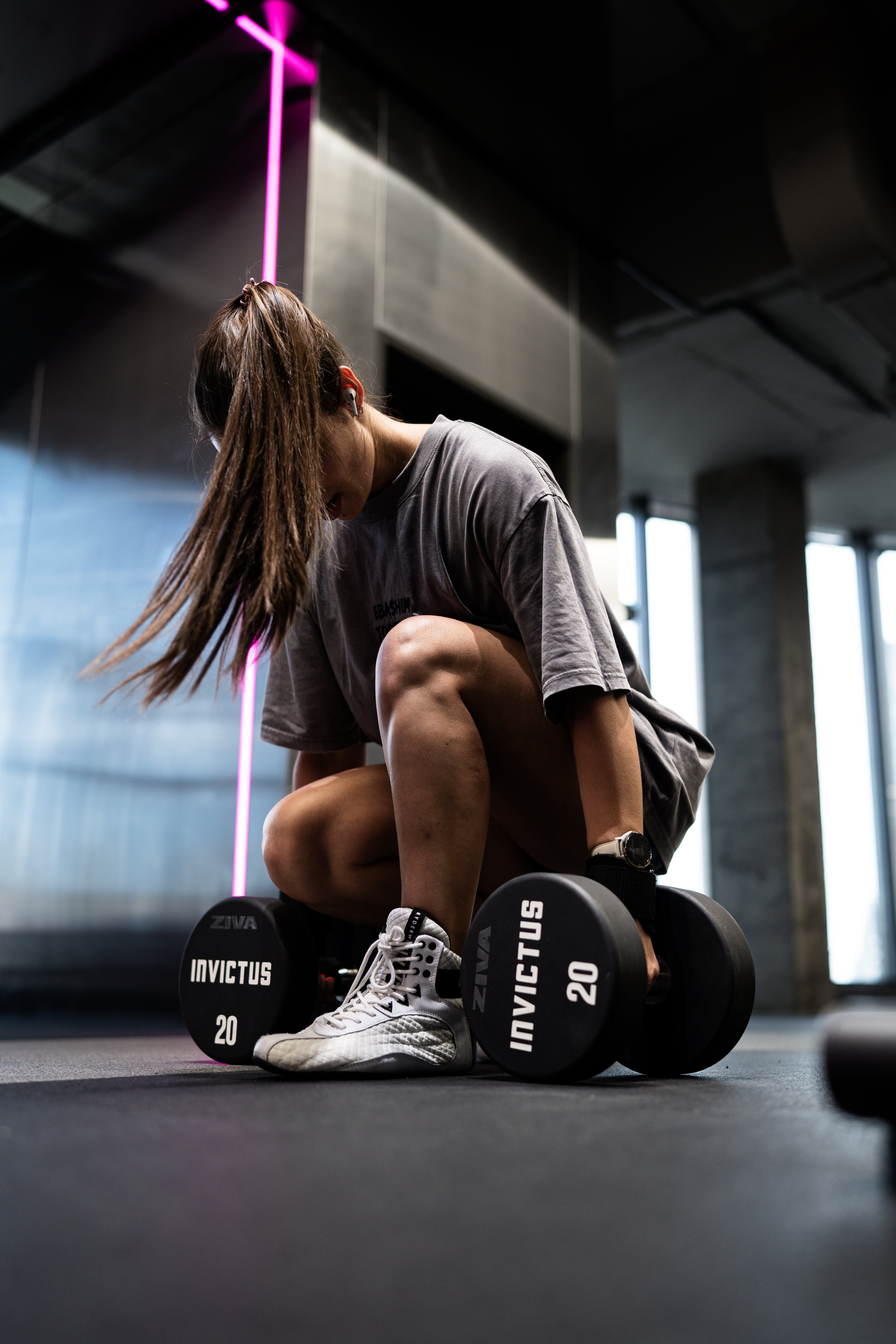
Exercise footwear can influence comfort, stability, and how enjoyable regular activity feels. Shoes that fit poorly may cause rubbing, pressure, or discomfort during walking and workouts. However, buying the most expensive pair does not automatically make it the right choice. For dailyscope.it.com, practical fitness guidance can help readers understand what to consider before choosing exercise shoes. Different activities place different demands on footwear, so the best option depends on how someone plans to move. Fit, comfort, surface conditions, and personal foot needs deserve more attention than appearance alone.
Match Shoes To Activity
Start by identifying the activity for which the shoes will be used most often. Walking shoes may suit regular neighborhood walks, while running shoes are designed with the repeated impact and movement patterns associated with running. Gym training can involve lifting, lateral movement, or short bursts of activity, so footwear needs may differ by exercise. People participating in several activities might need a versatile pair, depending on the intensity and frequency of each one. Avoid assuming that every athletic shoe works equally well for every purpose. A suitable design should support the movement being performed without making the feet feel restricted or unstable.
Check The Fit Carefully
Shoes should feel secure without squeezing the toes or creating uncomfortable pressure around the sides. Try them on while standing and, when possible, wear the socks normally used during exercise. The toes should have enough room to move naturally, and the heel should not slip excessively during ordinary steps. Feet can change in size and shape over time, so an old size may not always remain suitable. Test both shoes because the feet may not be identical. Walk around the shop or indoor fitting area before making a decision. If a shoe causes immediate discomfort, do not assume it will definitely become comfortable after repeated use.
Consider The Exercise Surface
The surface used for exercise can affect the type of footwear that feels appropriate. Walking on paved paths differs from moving on a treadmill, indoor gym floor, grass, or uneven trail. Shoes should provide suitable traction for the intended environment without creating unnecessary instability. People who exercise outdoors should consider wet surfaces, loose gravel, and changing weather conditions. Indoor training footwear should also match the movements and rules of the facility. No shoe can remove every risk associated with slippery or uneven ground. Choose a safe route, inspect the surface, and replace footwear that has become excessively worn or damaged.
Look Beyond Appearance
Color, shape, and brand can influence a purchase, but they do not determine whether a shoe fits properly. Focus first on comfort, intended use, stability, and the ability to move naturally. Extra features are useful only when they address a real need. Some people may prefer more cushioning, while others may find a firmer feel more comfortable for certain workouts. There is no single design that suits every foot or activity. Reviews can provide ideas, but individual fit remains important. Avoid buying shoes solely because a popular athlete or online creator recommends them. The right pair should suit the person who will actually wear it.
Understand Cushioning Needs
Cushioning can affect how shoes feel during repeated steps and impact-heavy activities. However, more cushioning is not automatically better for every person or workout. Some designs provide a softer sensation, while others offer a firmer platform that certain users prefer. Comfort should be assessed during the activity whenever a safe trial is available. People who run regularly may have different preferences from those who mainly lift weights or walk casually. If a shoe changes balance or makes movement feel awkward, consider another design. Anyone experiencing persistent foot pain should seek professional assessment rather than relying on footwear changes alone to solve the problem.
Replace Worn Footwear
Shoes gradually change as their materials compress, the soles wear down, and the structure becomes less supportive. Visible damage, uneven wear, loose components, or a noticeable change in comfort can indicate that replacement deserves consideration. The timing varies because shoes are used at different frequencies and under different conditions. A pair worn only occasionally may last longer than one used daily for running. Keep exercise shoes clean and dry according to the manufacturer’s care instructions. Avoid placing them near intense heat when drying, because high temperatures may damage some materials. Regular inspection helps identify problems before worn footwear becomes uncomfortable or unsuitable for the intended activity.
Allow A Gradual Transition
New shoes can feel different from a familiar pair, even when they fit properly. Begin with a shorter, comfortable session before using them for a long workout or event. This allows time to notice rubbing, pressure, or changes in movement. Do not continue through significant pain simply because the shoes are new. If discomfort persists, reassess the fit and design rather than forcing the transition. People changing to a substantially different shoe style may need additional care while adjusting. Gradual use is a practical way to discover whether the footwear suits everyday needs without adding unnecessary stress to the routine.
Conclusion
Comfortable exercise shoes should match the activity, fit securely, and feel appropriate for the surfaces where they will be used. Appearance and price matter less than whether the footwear supports natural movement without creating discomfort. Readers using dailyscope.it.com for fitness information can apply these checks before purchasing their next pair. Test the fit carefully, inspect the shoes regularly, and replace them when wear affects comfort or function. Remember that footwear cannot correct every movement issue or eliminate all exercise risks. Choosing suitable shoes is one practical part of building a comfortable and sustainable activity routine.
Read also :-