

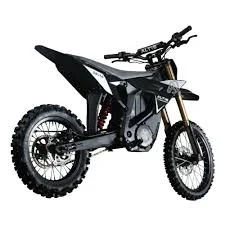
A weekend trail ride is more enjoyable when the motorcycle is ready before you leave home. For riders using an Electric dirt bike, preparation involves more than checking the battery. Tires, brakes, suspension, controls, protective equipment, and basic tools all deserve attention before heading into unfamiliar terrain. A few simple checks can reduce avoidable problems and allow riders to concentrate on the trail instead of dealing with preventable issues.
Good preparation also means thinking about the conditions you are likely to encounter. A dry trail can become muddy after rain, while rocky routes can place additional demands on wheels and suspension. Preparing according to the planned route makes a weekend outing safer and more comfortable.
Inspect the Motorcycle Before Departure
Begin with a general inspection at home, where you have enough time and light to notice potential problems. Walk around the motorcycle and look for loose components, damaged bodywork, leaking fluids, or anything that appears different from your last ride.
Check the handlebars and controls to make sure they move freely. Examine the brake levers and confirm that both braking systems feel normal. The chain should also be inspected for appropriate tension and signs of excessive wear. These checks may only take a few minutes, but they can identify issues before the motorcycle is transported to the trail.
Pay Attention to Tires and Wheels
Trail surfaces can be unpredictable, so tire condition should be checked before every longer ride. Look for cuts, cracks, damaged knobs, or objects embedded in the tread. Examine the sidewalls for visible damage as well.
The wheels should also be inspected for dents or signs of impact. Spin each wheel and look for obvious wobbling. If you noticed unusual handling during your previous ride, investigate the cause rather than assuming it will disappear on the next trip.
Tire pressure should be checked according to the manufacturer’s recommendations and adjusted only when appropriate for the riding conditions.
Prepare for the Expected Terrain
Knowing the route can influence how you prepare the motorcycle. A smooth recreational trail may require a different setup from a rocky route with steep climbs and technical obstacles. Check the weather forecast before leaving and consider how recent rainfall could affect the trail. Mud, standing water, and loose soil can significantly change traction.
It is also useful to research the trail itself. Confirm that motorized riding is permitted and understand any local rules regarding access, parking, or designated riding areas.
Pack Essential Equipment
A small collection of useful equipment can make a significant difference if something unexpected happens. Depending on the motorcycle and destination, riders may want to carry basic tools, tire-repair equipment, spare fasteners, a compact first-aid kit, and suitable protective gear.
Protective equipment should be appropriate for the type of riding planned. A properly fitted helmet is essential, while gloves, boots, eye protection, and suitable riding clothing can provide additional protection from impacts, branches, dust, and changing weather.
Avoid carrying unnecessary items that add weight without providing practical value.
Think About Your Surron Setup
Riders using Surron motorcycles may have customized their bikes with different tires, handlebars, suspension components, or protective accessories. Before a weekend trip, inspect any aftermarket equipment carefully.
Modifications should be securely installed and compatible with the motorcycle. Check bolts, mounting points, and electrical connections where applicable. A component that appears secure in the garage may become a problem after repeated vibration and impacts on a rough trail.
Keeping a record of recent changes can also help you identify whether a new issue appeared after a modification.
Plan the Day, Not Just the Ride
A successful trail trip involves more than preparing the motorcycle. Consider how long you expect to be away, where you can stop safely, and whether you will be riding alone or with others. If riding with a group, establish a simple communication plan before starting. Everyone should understand the intended route and what to do if someone experiences a mechanical problem or becomes separated.
Leave enough time for unexpected delays. Rushing because the day is running late can encourage poor decisions on difficult terrain.
Clean and Check the Bike Afterward
Preparation should continue after the ride. Remove accumulated dirt and mud, particularly around the wheels, chain, suspension, and other exposed components. Once the motorcycle is clean, inspect it for damage caused during the outing.
Check the tires, brakes, and drivetrain again and make a note of anything that requires attention before the next ride. Addressing small problems early is usually easier than discovering them before another weekend adventure.
Conclusion
A well-prepared motorcycle makes it easier to enjoy a weekend trail adventure with fewer distractions. Checking the major components, preparing for the terrain, carrying useful equipment, and reviewing the route are simple steps that can prevent many avoidable problems.
The goal is not to overcomplicate preparation. Instead, develop a consistent pre-ride routine that covers the motorcycle, equipment, route, and weather. With those basics handled in advance, riders can spend more of their weekend enjoying the trail and less time dealing with unexpected issues.