

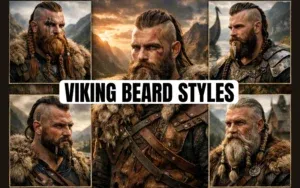
Beard grooming has become a practical part of personal style because facial hair can change the overall shape and character of a face quite quickly. hairstylespark.com can help readers explore beard styles, trimming ideas, grooming routines, mustache shapes, facial hair care, and useful styling guidance. Choosing a beard is not simply about deciding between short and long growth because density, texture, face shape, lifestyle, and maintenance time all influence what actually works. Someone with thick growth can usually experiment with more shapes, while lighter growth may look better when kept short and carefully outlined. Curly facial hair can create additional volume, whereas straighter growth may show trimming lines more clearly. These natural differences are worth considering before trying a new style. Face shape provides another useful starting point because beard length and width can influence how the jaw, cheeks, chin, and lower face appear. A rounded face may look more structured with controlled chin length, while a longer face may benefit from avoiding excessive length beneath the chin. Square and oval faces can usually accommodate several styles when the proportions remain balanced. Grooming habits matter too. A sharply defined beard can look excellent immediately after trimming but may require frequent maintenance to remain that way. A relaxed fuller beard may take longer to grow but can require more attention to combing, cleaning, and stray hairs. Work requirements, exercise, travel, weather, and personal preferences can all influence the most practical choice. Good grooming does not need a large collection of products or expensive equipment. A reliable trimmer, small scissors, comb, and suitable cleansing products can cover many daily needs. The important part is learning how and when to use them. Beard care also includes the skin underneath the hair because dryness or discomfort can make a style difficult to maintain. Simple routines often work better than complicated routines that are quickly abandoned. Regular small trims can preserve shape more effectively than occasional major corrections. Personal style should still remain personal. A beard does not need to follow every current trend to look good. The strongest style is often the one that works naturally with existing growth and fits easily into everyday life. That balance makes grooming more sustainable and usually creates a more confident appearance.
Find Shapes That Fit
Face shape can provide useful guidance when selecting a beard because facial hair changes the visible proportions of the lower face. Rounder faces may benefit from controlled chin length that adds definition without increasing width too heavily around the cheeks. Longer faces can sometimes look more balanced when additional length below the chin is limited and some fullness remains along the sides. Square faces already have a naturally stronger jawline, so many beard shapes can work without significant changes. Oval faces generally offer flexibility because their proportions suit a wide range of facial hair styles. These ideas should remain flexible because natural hair density and growth direction can change the final appearance considerably. A beard style that looks excellent on one person may look completely different on someone with another growth pattern. Hair texture also affects visual volume because curly facial hair often appears fuller than straight hair at the same approximate length. The cheek line deserves careful attention because removing too much natural growth can make sparse areas appear more visible. A clean but natural upper boundary often creates a better result than an extremely artificial line. The neckline can influence the apparent length of the lower face as well. A line placed too high may make the beard look disconnected, while an overly low line can make the area beneath the jaw appear heavy. Looking from the side can reveal changes that are difficult to notice from the front. Taking simple photographs can help because images show proportions differently from direct mirror viewing. People should also consider their natural facial asymmetry instead of trying to create perfectly identical sides. Minor differences are normal, and excessive trimming can sometimes make the final style worse. The goal should be visual balance rather than mathematical symmetry. Choosing a beard around both face shape and natural growth usually creates a more realistic result. This also makes future maintenance easier because the style does not need constant correction. A face-friendly beard should feel like an extension of the person’s appearance rather than an entirely separate design. The best starting point is therefore understanding what the face already offers and deciding which features should receive more or less visual emphasis.
Keep Short Styles Neat
Short beard styles remain popular because they provide visible facial hair while keeping maintenance relatively straightforward for many people. A short beard still requires regular attention because hair growth does not remain perfectly even from one day to another. Trimming at consistent intervals can keep the length controlled and prevent isolated long hairs from changing the overall appearance. An adjustable trimmer is useful because different guard settings allow gradual changes rather than forcing one exact length. Beginners should start slightly longer when uncertain because removing more hair is easy while recovering lost length requires time. The cheek area should remain natural enough to preserve a convincing growth pattern. Stray hairs can be removed without unnecessarily lowering the entire cheek line. The neckline also needs attention because a clean lower boundary gives the beard stronger visual structure. However, it should still complement the natural shape of the jaw. Lighting can create strange shadows during trimming, so checking the result from several angles is helpful. Combing before trimming can reveal hairs that are hidden within denser sections. The mustache often deserves separate trimming because hairs crossing the upper lip can distract from an otherwise neat beard. Small scissors provide useful precision around individual hairs. Short facial hair can also make skin dryness more noticeable because the hair does not provide as much coverage. Gentle cleansing and suitable moisturizing may improve comfort when needed. Product use should remain simple because too many products can make a short beard feel unnecessarily heavy. Short styles work well for many professional settings because the outline can remain controlled with relatively little daily effort. They also provide an easy way to understand how different sections of the face grow before trying additional length. People can wear a short beard for several weeks and observe where growth is dense, sparse, fast, or slow. That information becomes useful when experimenting later. Regular small trims are generally easier than waiting until the beard becomes difficult to control. A short beard should look intentionally maintained rather than aggressively sculpted. Natural variation is acceptable and often makes the style look more realistic. The strongest short beard routine is simple enough to repeat consistently. That consistency usually contributes more to appearance than complicated styling techniques.
Experiment With Medium Length
Medium-length beards offer additional room for shaping because the extra hair creates more visible texture around the cheeks, jaw, and chin. This length can suit people who want stronger facial hair without committing to a very full style. Additional growth may soften the appearance of small sparse sections when neighboring hairs overlap naturally. However, length alone does not eliminate uneven density because growth patterns remain different for every person. Combing becomes more useful as the beard grows because longer hairs can point in different directions. A beard comb can help organize those hairs before trimming and make the overall shape easier to evaluate. Small scissors are useful for individual strands that extend beyond the main outline. The trimmer can control the general length, while detailed areas may need slower and more careful work. The neckline should remain visible enough to prevent the lower beard from becoming shapeless. The cheek line can stay relatively natural while only obvious stray hairs are removed. Medium beards often require regular shape checks because several weeks of growth can change the proportions considerably. A beard may become wider, heavier, or longer in one area faster than another. Small adjustments can preserve balance without removing the amount of growth that gives the style its character. Cleaning becomes more important because longer hair can collect dust, food particles, and product residue more easily. Gentle washing can maintain cleanliness without unnecessarily drying the hair or skin. Drying should also be handled carefully because rough rubbing may create more tangling. A comb or brush can help restore direction after washing. Medium styles allow experimentation with different chin and mustache proportions while still remaining relatively manageable. Some people may prefer more chin length and reduced cheek width, while others may choose a more even distribution. The style should follow natural growth instead of forcing the hair into an unrealistic shape. Lifestyle should also be considered because more length means more maintenance during busy periods. Someone who travels frequently may prefer a simpler medium shape. A person who enjoys regular grooming may choose a more detailed outline. Medium beards can provide a useful balance between convenience and visible personality. With regular trimming, careful cleaning, and basic combing, they can remain polished without becoming difficult to manage.
Create Cleaner Beard Lines
Defined beard lines can create a polished appearance because controlled boundaries make facial hair look intentionally shaped. The most noticeable areas are usually the neckline, cheek line, mustache edge, and jaw connection. Each section contributes to the overall structure, so one poorly placed line can affect the appearance of the entire beard. The neckline is especially important because it determines where facial hair stops underneath the jaw. A line that sits too high can make the beard look disconnected, while a line that is too low can make the lower face appear heavier. The cheek line should usually follow natural growth while removing hairs that clearly fall outside the intended shape. Removing too much can make lighter areas look more obvious. A natural-looking edge often works better than a perfectly straight artificial boundary. The mustache also needs consideration because long hairs can cover the upper lip or appear separate from the rest of the beard. Small scissors allow precise trimming without unnecessarily shortening nearby hair. Combing the beard before shaping helps reveal the actual direction of growth. Good lighting is important because shadows can make one side appear denser than the other. Checking from several angles can prevent one-sided trimming. Beginners should work slowly and stop regularly to inspect the overall shape rather than trimming continuously. A common mistake involves focusing on one line so much that too much hair disappears before the larger shape is checked. The goal should be visual balance. Facial hair rarely grows with perfect symmetry, and trying to force identical sides can create more problems. Defined beard styles also require realistic maintenance because fast-growing edges may need frequent attention. People who prefer a low-maintenance routine may find a softer outline more practical. Those who enjoy regular grooming can maintain sharper boundaries more comfortably. Professional shaping can provide a useful baseline when someone is unsure where the beard should begin and end. Home maintenance can then focus on preserving that established structure. A well-defined beard should remain natural enough from close and normal viewing distances. The best lines support the face rather than becoming the first feature people notice. Controlled edges, suitable length, and natural growth can work together to create a clean and balanced beard.
Manage Thick Facial Hair
Thick facial hair provides many styling possibilities, but greater density also makes shape and maintenance more noticeable when grooming is neglected. Fuller growth can look strong and polished when it follows a clear outline rather than expanding evenly in every direction. The early growth stage may require patience because some areas can develop faster than others. People should judge their own pattern instead of expecting the same result as someone with different genetics and hair texture. Combing becomes increasingly useful as the beard grows because longer hairs can overlap and point in different directions. Gentle handling can reduce tangling and make shaping easier. Regular cleansing is important because fuller facial hair can collect dust, food particles, and product residue more easily than short growth. However, excessive washing may leave some people’s skin and beard feeling dry. A balanced routine usually works better. Moisturizing the skin underneath the beard can improve comfort when dryness becomes noticeable. The mustache often needs separate attention because longer hairs near the mouth can affect eating and speaking. Trimming only the excess hairs can preserve density while keeping the mouth area clearer. The neckline should also be checked because a full beard can quickly lose definition beneath the jaw. Cheek growth can be cleaned lightly while preserving enough natural density to avoid creating unnecessary gaps. The goal should be controlled fullness rather than simply growing as much hair as possible. Some people may benefit from slightly more chin length with narrower sides, while others look better with even volume throughout. Face shape should guide these decisions. Hair texture also matters because curly growth can create more width while straight hair may appear more controlled at the same length. Professional trimming can help establish a useful shape when the beard becomes difficult to manage. Once that baseline exists, regular home maintenance becomes easier. Small corrections are usually more practical than waiting until the beard requires a major reshaping. Fuller beards can remain comfortable when the wearer pays attention to cleanliness, direction, length, and skin care. The strongest result comes from organized growth rather than maximum growth. Thick facial hair can provide plenty of character without becoming difficult to maintain when the routine remains consistent.
Balance Mustache And Beard
The mustache should complement the beard because both sections influence the overall appearance of the lower face. A mustache that grows significantly longer than the beard can become the main visual feature, while a very short mustache beside a fuller beard can look disconnected. Proportion should therefore guide trimming decisions. Hair crossing the upper lip may need regular attention because it can interfere with eating or speaking. Small scissors provide better control around individual strands than a large trimming movement. A comb can expose the direction of growth before any trimming begins. Some mustaches naturally grow downward, while others extend outward across the lip. The wearer should not necessarily force every hair into one direction if doing so creates discomfort or requires constant styling. A natural shape can still look intentional when the edges remain controlled. The corners of the mustache also influence the apparent width of the lower face. Longer side growth can make the entire area appear broader, while a small reduction may create better connection with the beard. People with naturally thick mustaches can experiment with additional length more easily, while lighter growth often looks cleaner at shorter lengths. Styling products can help maintain particular shapes, although too much product may create stiffness or buildup. Cleansing remains important when styling products are used regularly. The mustache should also match the beard’s overall character. A highly styled upper section may appear unusual next to a very relaxed lower beard. Photographs can help during trimming because the relationship between the mustache and beard becomes easier to judge from a normal distance. Perfect symmetry is not necessary because facial growth naturally varies between sides. What matters is whether the overall shape feels balanced. Regular small trims are usually easier than removing a large amount after the mustache becomes overgrown. The upper lip should remain comfortable throughout the day because style becomes less useful when basic movements feel restricted. Different beard lengths may require different mustache proportions, so one fixed rule cannot suit everyone. The mustache can be slightly fuller when the beard is substantial or kept shorter when the lower face already carries significant visual weight. Personal preference still matters. A balanced mustache simply supports the chosen beard style without competing against it. Good proportion can make even a simple beard look significantly more organized.
Handle Patchy Growth Wisely
Patchy facial hair is common and can influence which beard styles look most balanced on an individual face. Some people have stronger growth around the chin, while others have fuller cheeks with lighter areas near the jaw or upper lip. Shorter styles can sometimes reduce visible contrast because the difference between stronger and weaker sections becomes less obvious. Medium lengths can provide more coverage when nearby hairs overlap naturally. Very long growth may also work for some people, although additional length cannot automatically eliminate sparse regions. Styling should therefore work with the actual growth pattern rather than trying to copy someone else’s beard. Combing can help organize existing hairs and create more visual consistency. Trimming should usually preserve stronger areas rather than cutting everything down to match the sparsest section. This can maintain more overall density. Cheek shaping should remain conservative because removing too much natural growth can make lighter sections more noticeable. A clean neckline can still provide structure even when the upper growth is uneven. Lighting can exaggerate gaps, especially under bright bathroom lights. Looking in ordinary indoor and outdoor conditions can provide a more realistic impression. Photographs from normal distances can also help reveal whether the patchiness is actually noticeable to other people. Growth may change over time, although there is no guarantee that every sparse area will become dense. Natural facial hair patterns differ substantially between individuals. This makes realistic styling more useful than chasing an idealized shape. A barber can sometimes create better balance by reducing visual weight in stronger sections while preserving length where the beard is lighter. Such adjustments can make the entire beard appear more intentional. People can also choose styles that emphasize their strongest growth areas rather than hiding every weaker section. A chin-focused style may suit one growth pattern, while a shorter boxed shape may suit another. The best option depends on density and face proportions. Patchiness should not automatically be treated as a flaw because many attractive beard styles work around natural variation. The important thing is choosing a shape that remains comfortable and manageable. Confidence often improves when the wearer stops trying to make every area identical. Natural facial hair has variation, and good grooming can use that variation instead of fighting it. The final goal is a beard that looks deliberate, balanced, and realistic for the person’s own growth.
Choose Practical Grooming Tools
Grooming tools can make beard care easier when each item has a specific purpose and is used carefully. A trimmer is useful for managing overall length and maintaining a consistent shape. Adjustable guards provide useful control because beginners can make gradual changes rather than removing too much hair at once. Small scissors are better for individual longer strands around the mustache and detailed edges. A comb helps separate hairs and reveal natural growth direction before trimming. Brushes can also help organize medium and longer beards while distributing natural oils. Tool choice should match beard length because short facial hair usually requires fewer items than fuller growth. Cleaning tools after use is important because hair, skin residue, and styling product can collect around blades. Trimmers should also be maintained according to the manufacturer’s instructions so they continue working effectively. Dull blades can pull hairs and make trimming uncomfortable. Good lighting can improve precision because shadows often hide uneven sections. A mirror that provides a clear front view is useful, while side views can reveal changes in width or length. Beginners should trim slowly and check the overall shape regularly rather than focusing on one section for too long. Starting with a longer guard provides room for correction when the desired length is uncertain. The neckline should be approached carefully because removing too much hair there can change the entire beard structure. Cheek lines should also remain conservative until the preferred shape becomes familiar. Scissors require controlled movement around the mouth and skin. Styling products should be used sparingly because heavy buildup can change texture and make cleansing more difficult. Tools should be stored somewhere clean and dry rather than left loose around a damp bathroom. A compact grooming kit can be enough for most everyday styles. More equipment does not automatically produce better results. Clean tools, steady technique, good visibility, and patience usually matter more. The routine should remain simple enough to repeat regularly. That consistency keeps small issues from becoming larger corrections later. Grooming tools work best when they support the chosen beard style rather than forcing the wearer into unnecessary complexity.
Keep A Manageable Routine
A beard routine becomes easier when it fits naturally into everyday life and does not require more time than the wearer can realistically provide. Cleansing frequency can depend on beard length, skin type, weather, activity, and personal comfort. The beard should be dried gently after washing because rough rubbing can make longer hair more tangled. Combing can help organize medium and full beards, while shorter styles may require little daily shaping. Trimming frequency depends on how quickly the hair grows and how precise the chosen style is. A sharply defined short beard may need frequent small adjustments, while a fuller natural beard can often remain acceptable for longer between detailed trims. The neckline and mustache usually deserve attention before the entire beard requires another major cut. This allows the main length to remain while the important boundaries stay controlled. Skin comfort should also remain part of the routine because facial hair grows directly against the skin. A suitable moisturizer can help when dryness becomes noticeable. Products should be chosen according to personal response rather than assuming everyone needs the same formula. Longer beards may benefit from regular combing and occasional brushing to keep direction organized. Styling products can be optional rather than essential. A person with a naturally cooperative beard may not need them at all. Grooming tools should be cleaned regularly because clean equipment performs better and feels more comfortable. People with detailed beard shapes may prefer professional trimming from time to time, especially when the overall structure needs to be reset. Home maintenance can then focus on small changes. Travel can require another adjustment because carrying many tools is not always convenient. A simple trimmer and comb can handle many short and medium styles. Climate can also affect the routine because hot conditions may increase the need for cleansing while dry weather may increase skin discomfort. The routine should remain flexible enough to adapt. Daily grooming does not need to become a long ritual. A short series of consistent actions can keep the beard comfortable and presentable. Small trims prevent major shape corrections, and regular cleaning helps avoid buildup. The best routine is the one that survives busy workdays, weekends, travel, and changing schedules. Consistency creates more value than complexity. A manageable routine allows the beard to remain part of personal style without becoming an unnecessary daily burden.
Match Style With Lifestyle
Lifestyle can influence beard choice more than current trends because a style only works well when the wearer can maintain it comfortably. Someone with a busy morning may prefer shorter facial hair that requires limited daily adjustment. Another person may enjoy grooming and choose a fuller style requiring regular combing and trimming. Workplace expectations can also shape the decision because some professional settings favor controlled facial hair while others allow considerable freedom. Physical activity can affect comfort as well. People who exercise frequently or spend substantial time outdoors may prefer shorter styles that feel easier to clean and manage. Climate can make another difference because longer facial hair may feel heavier in warm conditions. Frequent travelers may benefit from a style that remains presentable without requiring a large grooming kit. People who enjoy detailed styling can choose sharper outlines if they are willing to maintain those lines regularly. The key is matching grooming demands with actual available time. A style that requires more effort than the wearer wants will eventually become inconsistent. That inconsistency can make the beard look less polished than a simpler style would. Beard length can also change when routines change, and there is no need to maintain one style permanently. Someone can shorten the beard during a busy period and allow additional growth when more time becomes available. Personal style remains flexible. A new style can be tested gradually rather than changing everything at once. Photographs can help compare changes across different lengths and shapes. This provides a more realistic reference than relying on a single mirror view. The best beard does not need to be the most fashionable option. It needs to fit the face, growth pattern, comfort level, and daily schedule. Lifestyle also affects how much product feels practical. A person who prefers a quick routine may find several styling products unnecessary, while another may enjoy using them. Beard care should remain enjoyable enough that it can continue consistently. Matching style with lifestyle reduces frustration and makes maintenance easier. A beard that fits naturally into everyday routines is more likely to remain clean, shaped, and comfortable. Practicality therefore deserves as much attention as appearance when selecting a beard style.
Conclusion
Beard styling becomes much easier when people consider natural growth, face shape, density, texture, lifestyle, grooming time, comfort, and the level of maintenance they are actually willing to provide. Face shape can guide the choice, but it should not become a strict rule because natural facial hair patterns can change the final appearance significantly. Rounder faces may benefit from more controlled chin definition, longer faces can sometimes look balanced with moderate side fullness, and square or oval faces offer broad flexibility. The most convincing beard usually follows the person’s own features rather than copying another person’s exact style.
Short beard styles remain practical for people who want visible facial hair with straightforward maintenance. Medium lengths offer more room for shaping while still remaining manageable through regular combing and trimming. Fuller beards create greater visual presence but require additional attention to cleanliness, direction, mustache length, cheek boundaries, and neckline definition. Controlled fullness generally looks stronger than unrestricted growth.
Defined beard lines can make facial hair appear more polished, although the best boundaries still look natural enough to match the face. The neckline and cheek line deserve particular care because small changes there can alter the apparent shape of the entire beard. Mustache proportion matters as well because the upper lip area should work naturally with the lower beard rather than becoming visually disconnected.
Patchy growth does not automatically prevent an attractive beard because many styles can be shaped around uneven density. Shorter lengths can reduce visible contrast, while medium styles may create additional coverage through natural overlap. Good grooming should work with existing growth rather than constantly attempting to eliminate natural variation. Patience and realistic expectations can make the process much less frustrating.
Grooming tools should remain simple and purposeful. A trimmer, scissors, comb, and suitable care products can cover many everyday needs when they are kept clean and used carefully. Good lighting and gradual trimming can prevent unnecessary mistakes, while regular small adjustments can maintain shape more easily than occasional major corrections. A manageable routine should also include basic cleansing, skin care, combing when needed, and attention to the mustache and neckline.
Lifestyle deserves a place in every beard decision because work schedules, exercise, weather, travel, personal preferences, and available grooming time can change what feels practical. A style that demands more maintenance than the wearer wants may become difficult to keep consistent. Changing beard length according to different periods of life is completely reasonable.
The strongest beard style is not necessarily the longest, sharpest, or trendiest option available. It is the one that complements the face, follows natural growth, feels comfortable, fits the daily routine, and remains manageable between grooming sessions. For readers interested in beard styles, face shape, short beards, medium-length looks, fuller growth, beard lines, mustache balance, patchy facial hair, grooming tools, daily routines, lifestyle-based styling, and practical maintenance, continue exploring dependable grooming resources and useful style guidance. Explore more through hairstylespark.com, choose a beard style that suits your natural growth and everyday routine, maintain it consistently, and continue refining your personal grooming approach with practical care and confidence.
Read also :-